Muscle Gain vs Fat Loss: Which Goal Should You Focus On First?
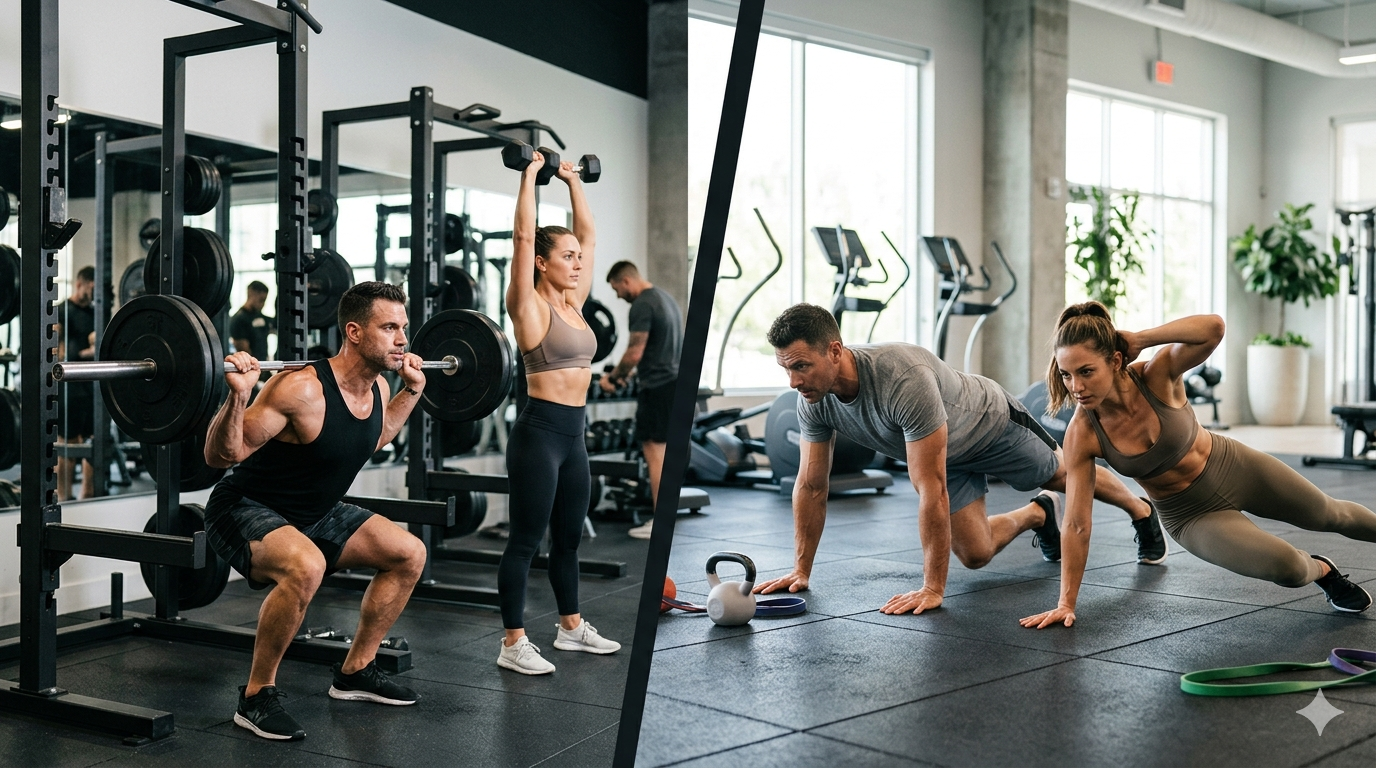
The first thing that comes to many minds at the beginning of their fitness life is “Do I concentrate more on building muscles or on losing fat?”
Have you ever faced the difficulty of deciding whether you should gain muscles, reduce your body weight, or achieve both together? You can be sure of one thing – you are not alone with this problem.
There really is not one size fits all approach to this issue, and the solution will largely depend upon your individual body type, fitness levels, lifestyle, and personal goals.
Within this guide, we will take an in-depth look at what muscle gain versus fat loss is all about, and who should be prioritizing which goal.
Quick Answer: Should You Focus on Muscle Gain or Fat Loss First?
If you have a high body fat percentage, your primary concern should be reducing your fat percentage.
If you are by nature skinny or have a low body fat percentage but no muscle mass, then your primary objective should be to increase muscle mass.
A beginner or someone with a “skinny fat” body can work on both simultaneously via a phenomenon known as body recomposition.
The trick lies in identifying which objective fits your body condition.
Muscle Gain vs Fat Loss: Understanding the Difference
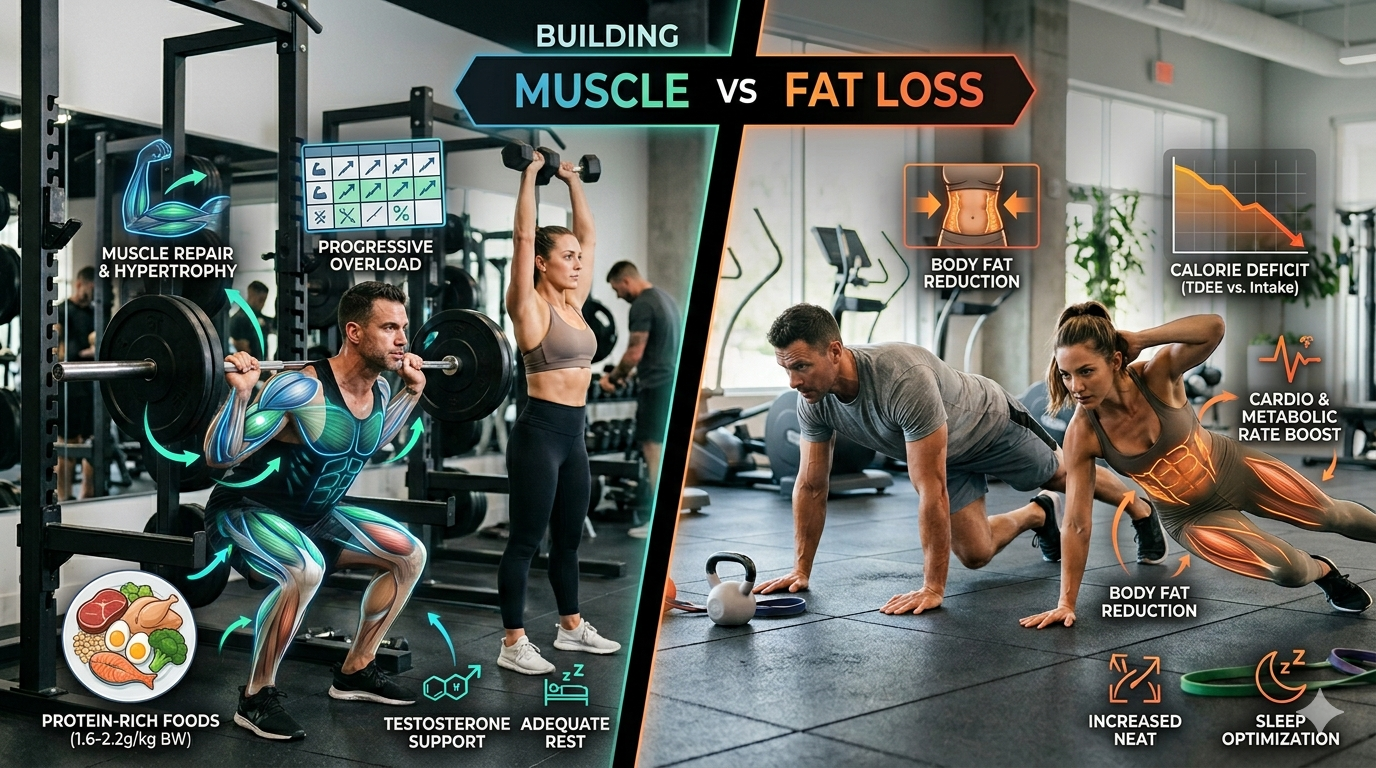
Before selecting a goal, you should first know the definitions of muscle gain and fat loss.
What Is Muscle Gain?
The process of muscle gain takes place when you build up your muscles through strength training and good nutrition.
In order to build muscle, you need:
- Regular strength training
- Protein consumption
- Calorie surplus
- Recovery
If done right, muscle gain will make you stronger, faster and enhance the physical look of your body.
What Is Fat loss?
Fat loss involves the reduction of extra fat in your body but without losing too much muscle mass.
In order to achieve this objective, you need:
- Deficit of calories
- Eating proteins
- Resistance exercises
- Regular physical activity
Unlike weight loss, fat loss is more concerned with body composition than actual weight loss.
Why Muscle Gain and Fat Loss Are Different
Building muscle necessitates ingesting just slightly higher calories compared to those burnt by the body.
Losing fat involves ingesting lower calories than what the body burns.
For this reason, achieving these two goals may be difficult due to conflicting nutrition plans.
How to Know Whether You Should Lose Fat or Build Muscle First
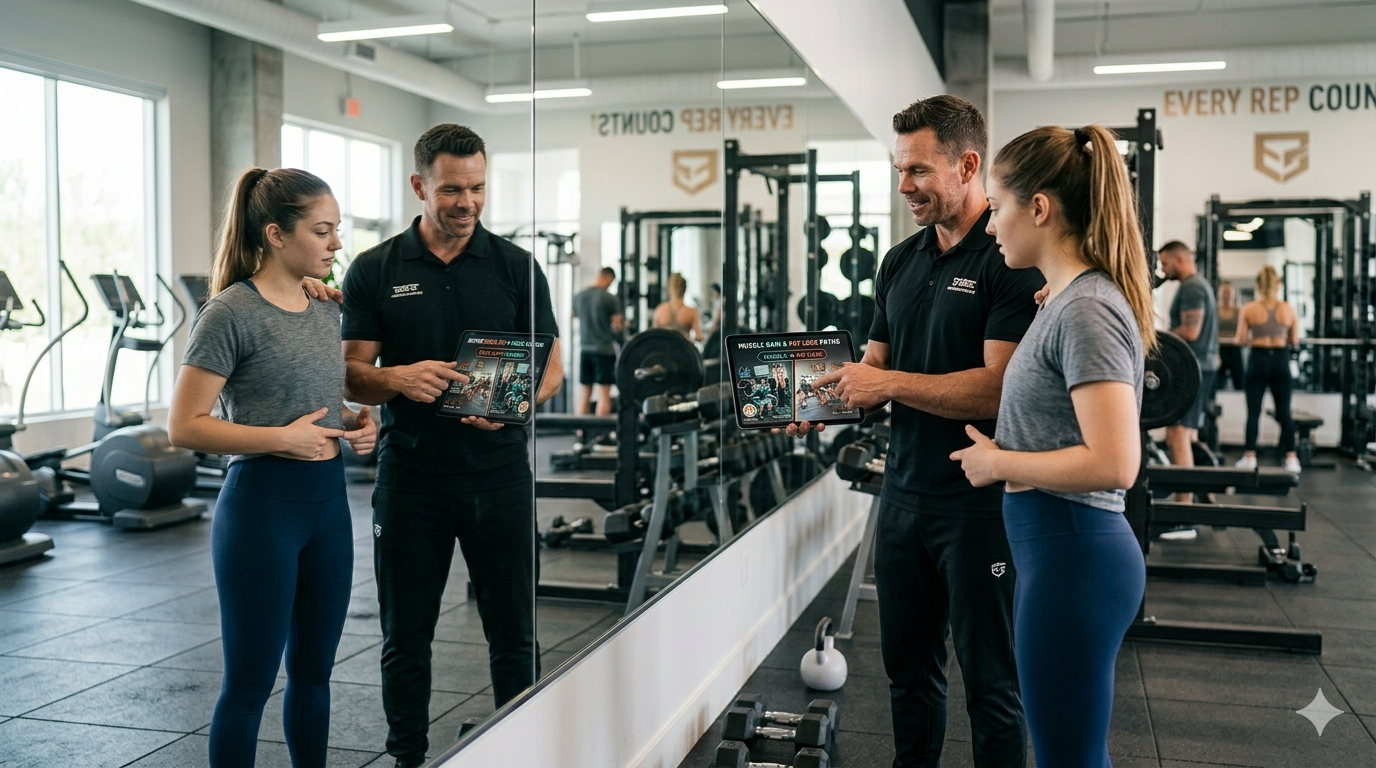
This would be determined by your body composition.
Focus on Fat Loss First If:
- You have excess belly fat
- You have a higher than average body fat percentage
- You feel tired while exercising
- Improving health and fitness are your main goals
Fat loss is going to increase your body’s sensitivity to insulin and help your cardiovascular system work better.
Focus on Muscle Gain First If:
- You have a thin build
- You have low body fat percentage
- You find it difficult to gain weight
- You wish to build strength and muscles
Before starting to build your muscles, you should develop a strong base first.
What If You're Skinny Fat?
The skinny-fat body type refers to having a body that appears to be slim but contains an appreciable amount of fat mass, particularly in the abdominal region.
In this case, body recomposition will be the best method.
Body recomposition requires:
- Getting enough protein intake
- Engaging in a well-structured strength training program
- Maintaining calorie levels close to maintenance
- Having patience
For many beginners, gaining muscle and losing fat simultaneously will be achieved using this method.
The Science Behind Muscle Gain and Fat Loss
Knowing some fundamental principles about fitness will make your path much easier.
Calorie Surplus for Muscle Gain
Calorie surplus means that you eat more calories than you burn.
It supplies you with additional energy that allows you to build muscles.
But at the same time, consuming too many additional calories can lead to fat accumulation.
A 200-300 calorie surplus per day is sufficient to create lean muscle mass for most people.
Calorie Deficit for Fat Loss
A calorie deficit involves taking in less amount of calories than your body uses.
Your body is therefore forced to burn its own fat reserves to generate energy.
A deficit is much healthier than starvation.
Why Protein Matters
Protein is an important nutrient for muscle growth and fat reduction.
It assists to:
- Build up muscle mass
- Help damaged muscle tissues heal
- Boost satiety after eating
- Prevent muscle breakdown in the body
An average active person needs about 1.6 to 2.2 grams of protein per kilogram of body weight.
Can You Gain Muscle and Lose Fat at the Same Time?
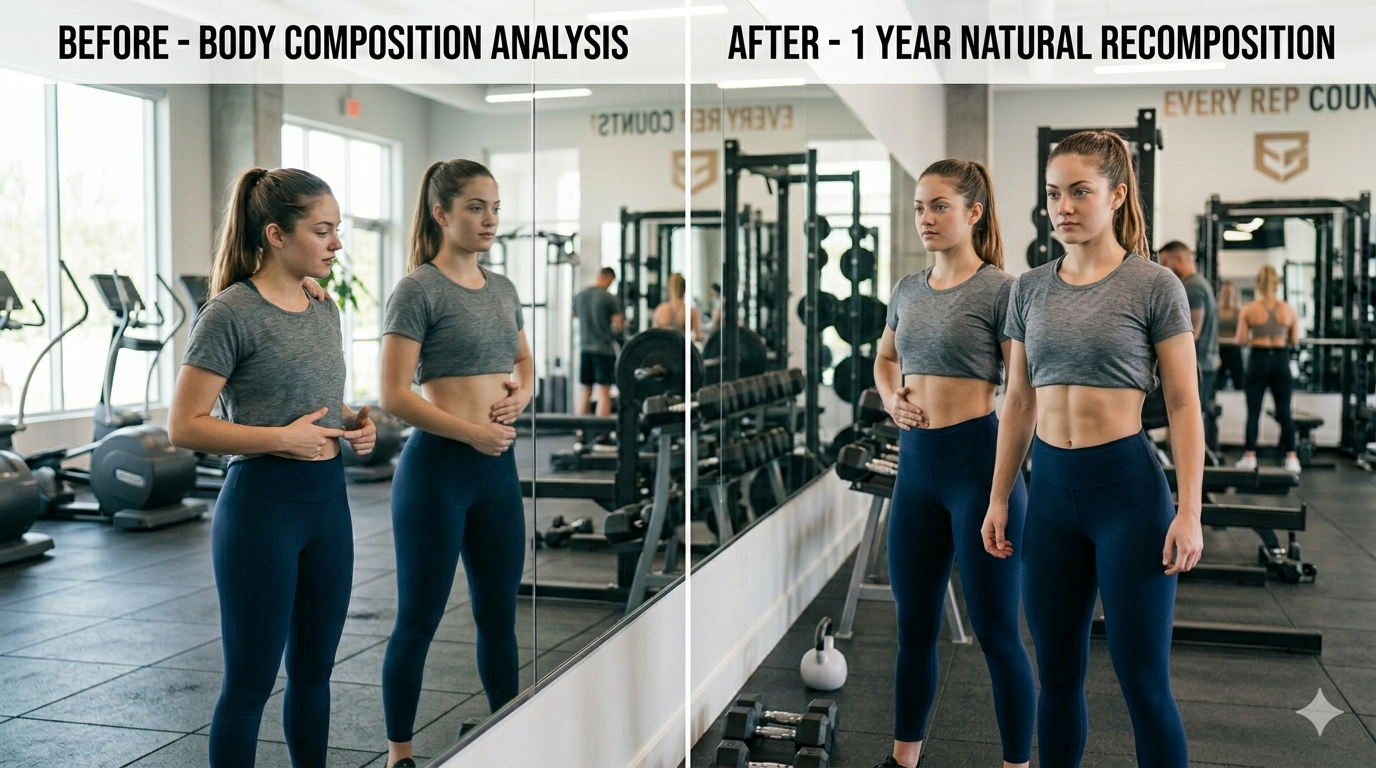
Yes, but it depends on your situation.
This process is referred to as body recomposition.
Body recomposition is likely to happen if you are:
- A beginner in strength training
- A former trainer coming back after a period of time
- More overweight in terms of fat
- On a high protein diet
Body recomposition can indeed be achieved, though not always as quickly as when concentrating on each individually.
This is why you should have reasonable expectations.
Benefits of Choosing the Right Goal First
Once you have the right goal in mind, you will be able to:
- Achieve quicker results
- Avoid being frustrated
- Develop good habits
- Become consistent
- Motivate yourself throughout your training process
Most people fail in their endeavors because they keep alternating between bulking and cutting but don’t have a definite program.
Consistency is better than perfection.
Common Mistakes People Make
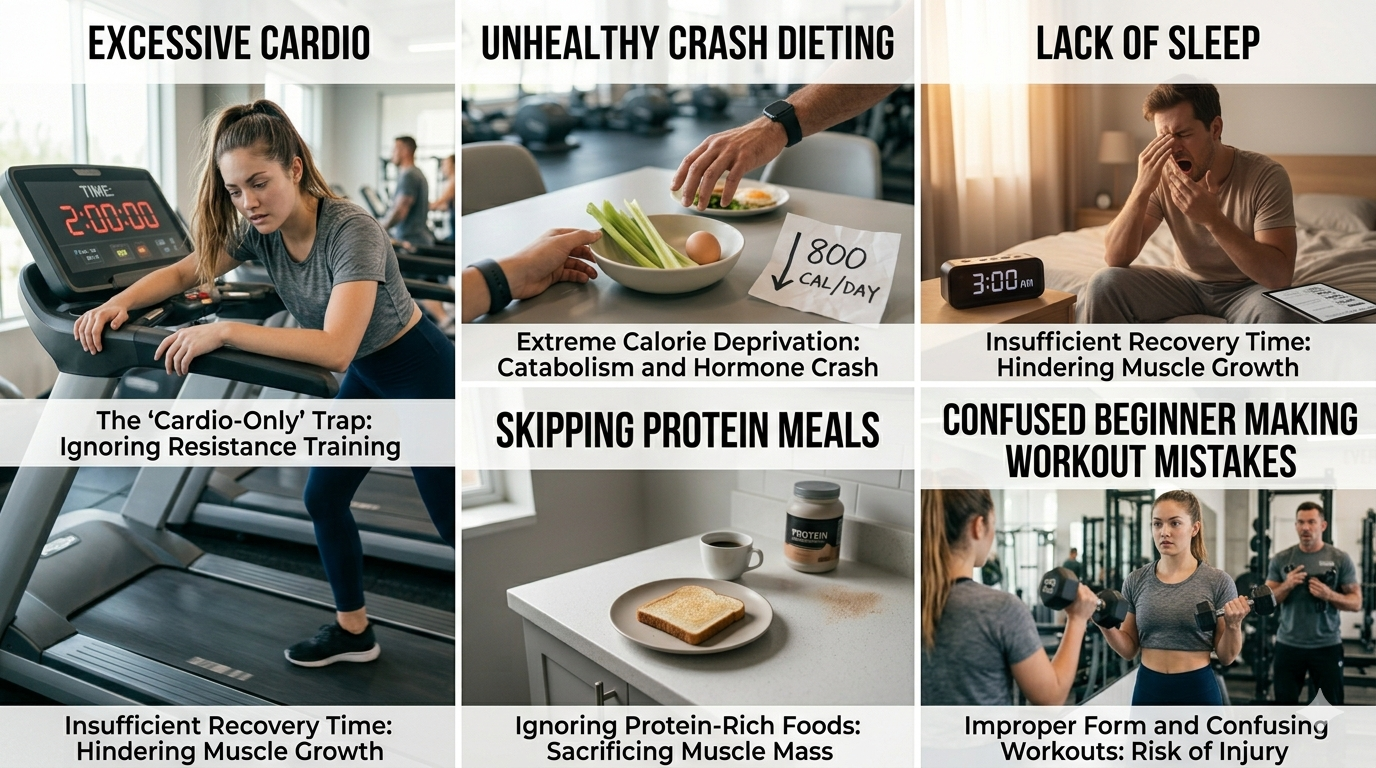
Eating Too Little Protein
Lack of protein will make your body unable to build muscles efficiently.
Doing Too Much Cardio
High intensity of cardiovascular workouts will negatively affect the process of building muscles.
Following Extreme Diets
Crash dieting might help you lose some weight quickly but is more likely to cause muscle loss rather than positive results.
Changing Goals Every Few Weeks
You have to give your body time to adjust. Changing the strategy will slow down the process.
Expert Tips for Faster Results
- Work out strength-based exercises thrice to five times a week.
- Have protein in all meals.
- Sleep for at least seven to nine hours every night.
- Record all exercises and nutrition data.
- Strive for progress and not perfection.
- Be patient.

Final Verdict: Muscle Gain vs Fat Loss
So, which approach do you choose – muscle mass building or fat loss?
In case of the presence of extra body fat, your starting point is fat loss.
If you are lean naturally and wish to be bigger and stronger, muscle mass building is what you should go for.
A beginner or a skinny fat individual can benefit greatly from body recomposition.
Keep in mind that there is no ideal solution for everybody. The right choice depends upon your body type and personal preferences.
Work out regularly, eat right, and achieve your goals!